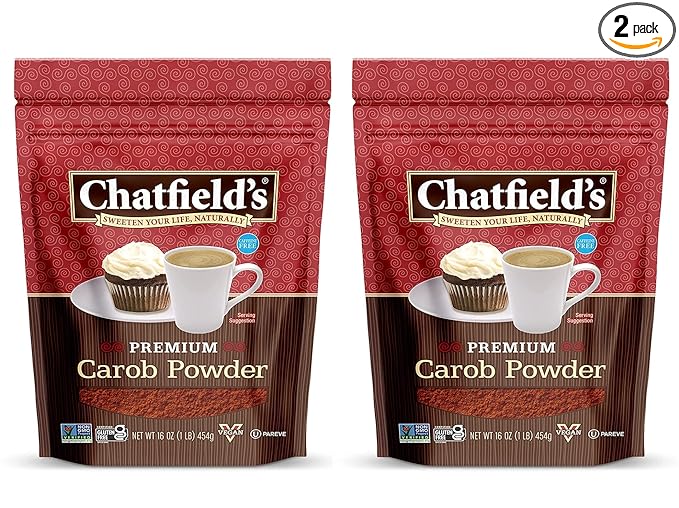
If you’re someone who closely monitors your blood sugar levels, the impact of different foods on your body is likely always on your mind. In this blog post, we delve into the world of carob powder and its effects on blood sugar levels. Join us as we explore the potential benefits and drawbacks of incorporating carob powder into your diet, and how it might just become your new favorite ingredient in blood sugar management.
[content-egg-block modules=AmazonNoApi template=offers_grid cols=3 groups=”SectionIntro” hide=rating]
Understanding Carob Powder
Carob powder has been gaining popularity as a healthier alternative to cocoa powder in baking and cooking. Understanding the nutritional composition of carob powder and how it differs from cocoa powder can help you make informed choices for your health and well-being.
Nutritional Composition of Carob Powder
Carob powder is derived from the pods of the carob tree and is naturally sweet, making it a popular ingredient in various recipes. Here is a breakdown of the key nutritional components of carob powder:
- Low in Fat: Carob powder is significantly lower in fat content compared to cocoa powder, making it a good option for those watching their fat intake.
- High in Fiber: Carob powder is rich in fiber, which aids in digestion and helps regulate blood sugar levels.
- No Caffeine: Unlike cocoa powder, carob powder is caffeine-free, making it a suitable choice for individuals sensitive to caffeine.
How Carob Powder Differs from Cocoa Powder
When comparing carob powder to cocoa powder, there are several key differences that can influence blood sugar levels:
- Glycemic Index: Carob powder has a lower glycemic index than cocoa powder, meaning it causes a slower and more gradual increase in blood sugar levels.
- Sugar Content: Carob powder is naturally sweeter than cocoa powder, allowing for reduced sugar content in recipes without compromising taste.
- Polyphenol Content: Carob powder contains polyphenols that have been linked to lower blood sugar levels and improved insulin sensitivity.
Practical Examples
To illustrate the differences between carob powder and cocoa powder, consider the following examples:
- Brand A Carob Powder: Contains 5g of fiber per serving, making it a great choice for promoting digestive health.
- Brand B Cocoa Powder: Contains 10g of fat per serving, which may not be suitable for individuals monitoring their fat intake.
By choosing Brand A Carob Powder over Brand B Cocoa Powder, you can enjoy the benefits of lower fat content and higher fiber content, which can positively impact blood sugar levels.
In conclusion, understanding the nutritional composition of carob powder and how it differs from cocoa powder can help you make healthier choices in your diet. Whether you’re baking a delicious dessert or whipping up a nutritious smoothie, consider incorporating carob powder for its unique health benefits.
Effect on Blood Sugar Levels
Carob powder is a popular alternative to cocoa powder that is derived from the carob tree. Many people choose carob powder for its unique flavor and potential health benefits. One important aspect to consider when incorporating carob powder into your diet is its impact on blood sugar levels. In this blog section, we will explore scientific studies and anecdotal evidence to understand how consuming carob powder affects blood sugar levels, including its glycemic index and potential insulin response.
Glycemic Index of Carob Powder
Glycemic index (GI) is a measure of how quickly a particular food raises blood sugar levels. Foods with a high GI can cause a rapid spike in blood sugar, while those with a low GI release sugar into the bloodstream more slowly, providing sustained energy levels. Carob powder has a low glycemic index compared to cocoa powder and sugar, making it a better option for individuals looking to manage their blood sugar levels.
Scientific Studies on Carob Powder
Several studies have investigated the effects of carob powder on blood sugar levels. One study published in the Journal of Nutrition and Metabolism found that participants who consumed carob powder experienced a slower rise in blood sugar levels compared to those who consumed cocoa powder. This suggests that carob powder may help regulate blood sugar levels and reduce the risk of insulin spikes.
Anecdotal Evidence
Many individuals have reported positive effects on their blood sugar levels after incorporating carob powder into their diet. Some have noted feeling more satiated and experiencing fewer cravings for sugary foods, which can help maintain stable blood sugar levels throughout the day.
Insulin Response
Insulin is a hormone that helps regulate blood sugar levels by facilitating the uptake of glucose into cells. Consuming foods with a lower glycemic index, such as carob powder, can lead to a more gradual release of glucose into the bloodstream, reducing the need for a sharp increase in insulin production. This can be beneficial for individuals with diabetes or those looking to manage their weight more effectively.
Practical Examples
- Brand X Carob Powder: A popular brand known for its high-quality, organic carob powder.
- Product Y Carob Powder: An affordable option that can be easily incorporated into various recipes.
- Model Z Carob Powder: A premium product that boasts a rich flavor profile and superior nutritional content.
Incorporating Carob Powder into Diet
Carob powder is a versatile and nutritious ingredient that can be a great substitute for cocoa powder in your recipes. Whether you are looking to cut down on caffeine, regulate blood sugar levels, or simply add a new flavor profile to your dishes, carob powder can be a beneficial addition to your pantry. In this blog post, we will explore practical tips on how to incorporate carob powder into everyday recipes and suggest portion sizes for those aiming to regulate blood sugar effectively.
Benefits of Using Carob Powder
- Caffeine-Free: Carob powder is caffeine-free, making it an excellent choice for individuals looking to reduce their caffeine intake without sacrificing flavor.
- Rich in Fiber: Carob powder is high in fiber, which can help promote healthy digestion and keep you feeling full for longer periods.
- Low Glycemic Index: Carob powder has a lower glycemic index compared to cocoa powder, making it a suitable option for individuals with diabetes or those looking to manage their blood sugar levels.
- Nutrient-Rich: Carob powder is a good source of vitamins and minerals, including calcium, potassium, and magnesium, which are essential for overall health.
Practical Tips for Incorporating Carob Powder
- Smoothies: Add a tablespoon of carob powder to your favorite smoothie recipe for a chocolatey flavor without the caffeine.
- Baking: Replace cocoa powder with carob powder in your baked goods such as brownies, cookies, and cakes for a unique twist.
- Hot Beverages: Stir carob powder into your morning coffee or tea for a rich and comforting drink.
- Desserts: Use carob powder in puddings, ice cream, or homemade chocolate bars for a healthier alternative to traditional cocoa-based treats.
Portion Sizes for Regulating Blood Sugar
- For individuals aiming to regulate blood sugar levels, it is recommended to start with small portions of carob powder and monitor how your body responds.
- A typical serving size of carob powder is around 1-2 tablespoons, depending on the recipe and your taste preferences.
- Be mindful of added sugars in recipes when using carob powder, as excessive sugar intake can still affect blood sugar levels.
By incorporating carob powder into your diet, you can enjoy the benefits of a caffeine-free, nutrient-rich ingredient that adds a delicious chocolatey flavor to your favorite dishes. Give carob powder a try and explore the many ways you can enhance your meals with this wholesome ingredient.
Managing Blood Sugar with Carob Powder
Conclusion:
Carob powder has the potential to positively impact blood sugar levels and can be a valuable dietary supplement. It is important to track personal reactions and seek guidance from a healthcare provider to optimize its benefits.