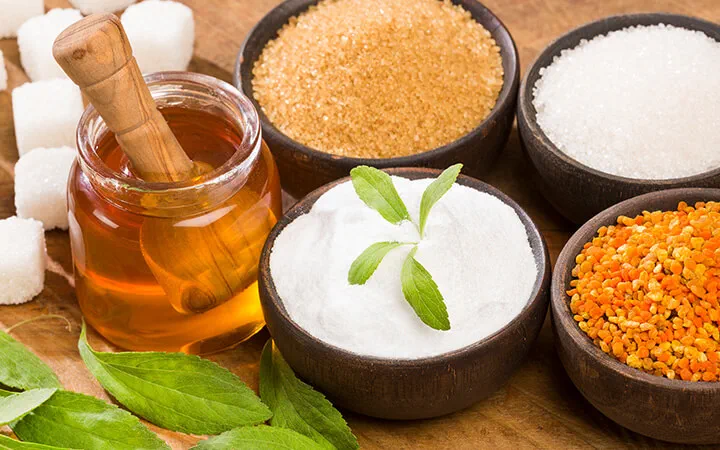
In this step-by-step guide, we understand that making dietary changes can be challenging, especially when it comes to reducing sugar intake. The purpose of this guide is to offer support and practical tips for substituting alternative sweeteners for sugar in recipes. By following these steps, you can enjoy your favorite dishes while maintaining a healthier lifestyle. Let’s embark on this journey of exploring new sweetening options together!
[content-egg-block modules=AmazonNoApi template=offers_grid cols=3 groups=”SectionIntro” hide=rating]
1. Understand Different Sweeteners
Research and familiarize yourself with alternative sweeteners such as stevia, erythritol, agave nectar, and honey. Understand that each sweetener has its unique sweetness level, taste profile, and recommended uses in cooking and baking. Experiment with these sweeteners in small quantities to gauge their sweetness compared to traditional sugar and how they interact with other ingredients in recipes.
Explore the best applications for each sweetener in various recipes. Replace sugar with stevia in beverages or desserts for a zero-calorie option. Use erythritol in recipes where sugar plays a structural role, like in baked goods, as it mimics the texture and volume of sugar. Opt for agave nectar or honey in recipes where a liquid sweetener is needed, such as salad dressings or marinades, but be mindful of their higher fructose content. By understanding the unique characteristics of each alternative sweetener, you can confidently incorporate them into your cooking and baking repertoire.
2. Conversion Ratios
Researching and understanding the conversion ratios for substituting alternative sweeteners for sugar is essential. Begin by identifying the specific alternative sweetener you intend to use. Next, look up the recommended conversion ratio for that sweetener when substituting for sugar in recipes. Keep in mind that different sweeteners have varying levels of sweetness, so it is crucial to follow the correct ratio to achieve the desired taste in your dishes.
Experiment with the conversion ratios in small batches to find the perfect balance that suits your preferences. Adjust the amount of alternative sweetener based on your taste preferences and the particular recipe you are working on. Remember to keep track of the ratios you use and the results you achieve to help you refine your understanding of how each sweetener performs in different applications.
3. Adjusting Liquid Content
When adjusting liquid content in your recipe due to substituting sweeteners, it’s essential to be mindful of the consistency changes that different sweeteners can introduce. Begin by recognizing that some sweeteners are more liquid than sugar and thus might require modifications to the overall liquid content of your recipe.
- Assess the liquid content: Start by evaluating the current liquid content in your recipe. This includes any water, milk, or other liquid ingredients.
- Understand the sweetener: Different sweeteners have varying levels of liquid content. For example, honey and maple syrup are more liquid than granulated sugar.
- Reduce other liquids: If you are using a liquid sweetener that increases the overall liquid content, consider reducing the amount of other liquids in the recipe to maintain the desired consistency.
- Adjust dry ingredients: To balance the moisture levels, you may need to increase the amount of dry ingredients, such as flour or oats, when substituting a liquid sweetener for a dry one.
4. Baking and Cooking Tips
- Consider the Sweetness Level: Adjust the amount of alternative sweetener used based on its sweetness level compared to sugar. Remember that some sweeteners are much sweeter than sugar and may require less quantity to avoid an overly sweet taste in your baked goods or dishes.
- Monitor Browning Closely: Keep a close eye on the browning process when using alternative sweeteners like honey, maple syrup, or agave nectar. These sweeteners can cause quicker browning due to their high sugar content. To prevent burning, reduce the oven temperature slightly and cover the dish with foil if needed.
- Experiment with Texture: Alternative sweeteners can impact the texture of your recipes. For example, using liquid sweeteners like molasses or honey can add moisture to the final product, resulting in a softer texture. To maintain the desired consistency, consider adjusting other ingredients like flour or liquids in the recipe.
- Mix Thoroughly: Ensure that alternative sweeteners are evenly distributed in your batter or dough to avoid clumps or uneven sweetness. Use a whisk or mixer to blend the sweetener with other ingredients thoroughly until a smooth consistency is achieved.
- Read Labels Carefully: Different alternative sweeteners have varying heat tolerances, which can affect their performance in baking. Check the packaging or product information to see if the sweetener is suitable for baking at high temperatures or if it’s best added after cooking for optimal results.
5. Taste Testing
Start by preparing your recipe as usual, substituting the regular sugar with your chosen alternative sweetener. Once the recipe is complete, take a small sample of the dish using a clean spoon. Taste the sample slowly and mindfully, focusing on the level of sweetness. If the dish is not as sweet as you desire, add a small amount of the alternative sweetener and mix well. Taste the dish again, adjusting the sweetness gradually until it reaches your preferred level.
Continue this process of adding small increments of the alternative sweetener and tasting until you achieve the desired sweetness. Remember to mix the dish thoroughly each time you make an adjustment to ensure the sweetener is evenly distributed. Once you are satisfied with the taste, take note of the amount of sweetener used so you can replicate the recipe with the same level of sweetness in the future. By following this simple taste testing method, you can confidently adapt recipes to suit your preferences when using alternative sweeteners.
Final Thoughts: Sugar Substitution
In conclusion, successfully substituting alternative sweeteners for sugar in recipes requires a good understanding of sweeteners, ratios, liquid content, baking tips, and the importance of taste testing. By following these guidelines, you can confidently experiment with different sweeteners and create delicious, healthier treats without sacrificing taste.